The Complete Roof Lanterns Selection Guide: What You Need to Discover
When deliberating on roof lanterns, homeowners often neglect important aspects that determine their choice. Understanding styles, materials, and installation requirements is paramount. Each element plays a role in both aesthetics and functionality. Additionally, the right measurements and maintenance practices can greatly affect the lantern's longevity. Exploring these factors will help anyone make an careful choice about enhancing their space with natural light. The following sections will provide deeper understanding into each consideration.
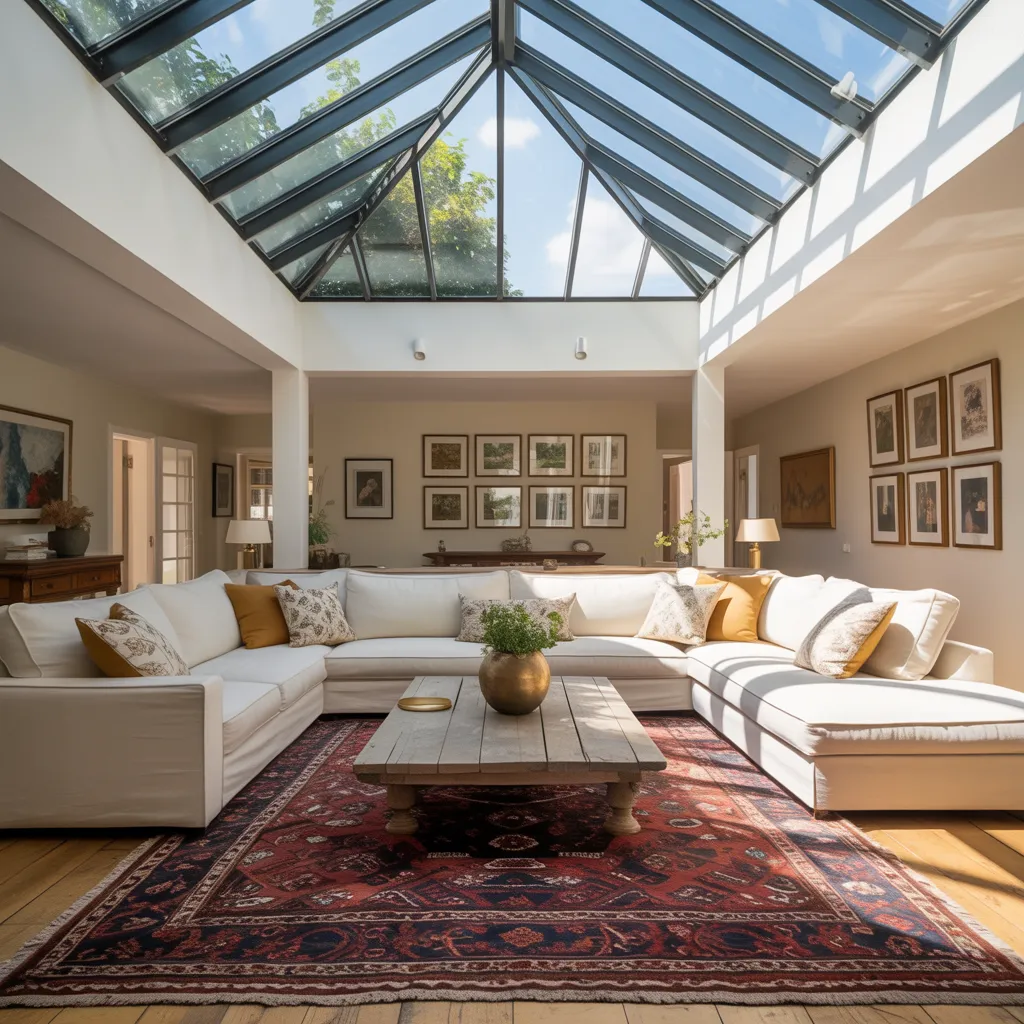
The Positive Aspects of Setting Up a Roof Lantern
When homeowners contemplate enhancing their domestic environments, setting up a roof lantern often emerges as a remarkable option. This building feature not only raises the visual allure of a home but also expands natural light, creating a more illuminated, more inviting environment. By facilitating sunlight to cascade in, roof lanterns can greatly reduce the need for artificial lighting during the day, leading to potential energy savings.
Furthermore, roof lanterns can enhance air circulation, boosting air flow within a space. This characteristic is especially advantageous in spaces such as kitchens or living rooms, where fresh air is essential. In addition, they can add perceived height to a room, rendering spaces feel more spacious and more open. Homeowners view resource may also discover that a roof lantern increases the overall value of their property, drawing interest to prospective buyers. In the end, the installation of a roof lantern can transform a home, merging functionality with elegance.
Top Varieties of Roof Lanterns to Think About
Roof lanterns are available in a range of styles, each boasting unique design features that complement different architectural aesthetics. One popular style is the traditional lantern, noted for its decorative touches and classic proportions, often fitting period homes well. In contrast, contemporary or modern roof lanterns showcase sleek lines and minimalist designs, making them ideal for modern builds. Another prominent style is the pyramid lantern, adding a distinctive geometric element, ideal for boosting roof symmetry. Flat or skylight lanterns deliver a sleek look, integrating fluidly into the roofline and maximizing natural light without overpowering the area. Additionally, vaulted lanterns, with their raised centers, create a striking visual impact and elevate the sense of height in a room. Every style offers particular benefits, allowing homeowners to pick a roof lantern that fits their personal taste and the overall design of their property.
Finest Varieties for Your Roof Lantern
Deciding on the ideal material for a roof lantern is paramount for resilience and stylistic beauty. Common alternatives include aluminum, timber, and uPVC, each presenting remarkable qualities. Aluminum is manageable in weight and corrosion-resistant, making it a popular choice for modern designs. Its capacity for powder-coating allows for a variety of colors, improving aesthetic value.
Timber adds a natural warmth and character, well-suited for classic environments. However, it demands regular maintenance to ward off environmental wear. The picking of hard woods can enhance lifespan, but they are often higher in cost.
uPVC is a budget-friendly choice recognized for its low maintenance and energy conservation. It is immune to rot and can replicate the appearance of wood without the upkeep.
Ultimately, the choice of material should match the preferred aesthetic, upkeep preferences, and environmental considerations, guaranteeing the roof lantern suits the overall architecture of the home.
How to Select the Optimal Size for Your Space
When choosing a roof lantern, precise dimensions of the room are crucial for guaranteeing a proper fit. Additionally, considerations regarding ceiling height can significantly impact the overall look and performance of the space. Careful evaluation of these factors will lead to a more seamless incorporation of the lantern into the room.
Assess Your Room Square Footage
To make sure that a roof lantern suits a space rather than overwhelms it, precise room measurements are essential. Homeowners should commence by measuring the length and width of the room where the lantern will be installed. This gives a basis for selecting the appropriate size. It is also important to take into account the overall arrangement and existing architectural features, such as windows and doors, which may affect the lantern's placement. A well-measured room enables the selection of a lantern that enhances aesthetics and functionality. Additionally, imagining the lantern's size in the intended space can assist in making an informed decision. This careful analysis ensures that the roof lantern becomes a harmonious addition to the room.

Consider Evaluating Ceiling Height Modifications
How can the height of the ceiling influence the selection of a roof lantern? The height of a ceiling plays a vital role in determining the appropriate size and design of a roof lantern. Higher ceilings can accommodate bigger, more impressive lanterns that become a centerpiece in the room. Conversely, lower ceilings may require more compact designs to avoid overwhelming the space. Additionally, the height affects the placement of the lantern; it should be positioned to optimize natural light while not blocking views or create a claustrophobic feeling. As a result, measuring ceiling height is essential for selecting a lantern that coordinates with the room's dimensions, enhancing both aesthetics and functionality. Ultimately, a well-chosen roof lantern can create an inviting and spacious environment.
Key Elements for Choosing an Ideal Roof Lantern
What factors should one consider when selecting the best roof lantern? First, the scale and size of the lantern must complement the space. An too-big lantern can overpower a small room, while a too-small option may seem trivial. Next, the appearance should match the architectural design of the property; modern homes may take advantage of sleek, minimalist designs, whereas traditional homes might necessitate intricate embellishments.
Another essential factor is material. Choices vary from aluminum to timber, each offering unique aesthetics and durability capacities. Also, the glazing type affects both insulation and natural light; double or triple glazing ensures ideal energy efficiency.
Finally, the intended use of the space should guide the choice. A kitchen or living area may require more light than a hallway. By taking into account these factors, individuals can guarantee their choice improves both functionality and visual appeal.
Easy Methods to Put in Your Roof Lantern
Putting in a roof lantern requires having the right tools which is crucial for a smooth process. This section outlines a clear, step-by-step approach to ensure effective installation. By following these guidelines, homeowners can obtain a sturdy and aesthetically pleasing result.
Equipment You'll Want
To put in a roof lantern, you need a few essential tools to make sure a smooth and successful installation. Firstly, a measuring tape checks the correct dimensions of the opening and the lantern itself. A level plays a vital role in confirming that the lantern is uniformly set, stopping leaks or structural problems. A power drill is needed for drilling pilot holes and securing screws, while a utility knife assists in cutting any necessary materials. It is important to wear safety glasses and gloves to protect against sharp edges and debris. A ladder or scaffold also allows safe access to the area where you fit the lantern. Having these tools ready will speed up the task, providing an easier and more successful installation.
Easy Step-by-Step Directions
A proper roof lantern installation can notably improve both the aesthetics and function of a space. First, verify you area is uncluttered and free from debris. Then, methodically measure and mark the extent of the lantern frame on the roof. Cut the opening neatly, using the right tools. Install a waterproof membrane around the edges to avoid leaks. Once ready, position the lantern into the opening, making sure it is straight and secure. Secure it with screws and apply sealant along the edges for extra defense. Finally, connect required electrical components, ensuring adherence to safety standards. After installation, check the lantern for stability and test for leaks during rainfall. Proper installation guarantees durability and efficiency.
Guide to Effectively Care for Your Roof Lantern and Prolong Its Longevity
Keeping a roof lantern well-maintained is key for guaranteeing its longevity and aesthetic appeal. Regular cleaning is crucial, as matter, dirt, and algae may accumulate, hindering light and hurting materials. It is advised that homeowners use a mild soap solution and a soft cloth to carefully wipe the glass panels and frames, avoiding harsh chemicals that might lead to fading or deterioration.
Inspecting seals and flashing frequently helps avoid leaks and water damage. Any signs of deterioration should be handled promptly, either through reapplying sealant or replacement. Additionally, checking for unsecured components, such as screws and copyrights, maintains structural integrity.
Seasonal care, specifically before winter, is critical. Removing snow and ice prevents excessive weight and potential breakage. Finally, consulting a technician for periodic inspections can identify issues that may not be immediately visible, maintaining the roof lantern's functionality and appearance for years to come.
Often Questioned FAQs
Is It feasible to install roof lanterns on flat-topped roofs?
Roof lanterns can truly be installed on flat roofs, assuming proper waterproofing and structural support are secured. This installation provides natural light enhancement and visual beauty while maintaining strength against atmospheric impacts.
What Does a Roof Lantern Expense on Average?
Roof lantern costs typically ranges from £500 to £2,500 on average, influenced by factors like size, materials, and design. Setup charges and tailored selections can further influence the end cost.
Do Roof Lanterns Provide Energy-Saving Performance?
Roof lanterns are energy-efficient, particularly when produced with high-quality double or triple glazing. They amplify daylight, potentially curtailing dependence on man-made lights, which can lead to decreased energy expenditure and monetary savings over time.
How Can Roof Lanterns Change Your Home Insurance?
Roof lanterns have the ability to enhance home insurance through increasing home value and elevating visual appeal. However, if inadequately installed or neglected, they may escalate damage potential of damage, potentially causing higher premiums or claims.
Is My Roof Lantern Look Adaptable?
Yes, ceiling light patterns can be adapted. Homeowners may select various finishes, forms, and proportions to suit their style choices and structural aesthetic. Personalization options improve both usefulness and design attractiveness in home design.